Death on Demand comes to Germany

by Wesley J. Smith

Editor’s note. This first appeared at First Things and is reposted with the author’s permission.

The 1973 dystopian film Soylent Green featured several shocking moments, including overpopulation riots and men calling women “the furniture” required for sex. But the most disturbing scene showed Edward G. Robinson entering a euthanasia clinic, choosing to be put down rather than live with his existential anguish. What was once fiction is becoming reality. Assisted suicide, unthinkable then, is popular now. Since the movie was released, many have come to view human existence as a relative, rather than absolute, good. The sanctity of life ethic has been replaced by the drive to eliminate suffering, even if this requires eliminating the sufferer. And the raw power of this logic has led directly to suicide clinics and a right to death on demand—since no one can judge what another person considers to be unbearable torment.

Assisted suicide activists insist that euthanasia is only for the seriously ill, and offer vacuous promises of strict guidelines to protect the vulnerable. Such bromides have never made sense to me. If there is indeed a “right to die,” if the most important good is “choice” rather than “life,” how can the right to commit suicide remain limited to the seriously ill? After all, many people suffer more intensely and for a longer time than the sick. Once one accepts the moral propriety of euthanasia, the logic eventually leads to death on demand for anyone who desires to die.

Still, even I never expected full-bore death on demand to arrive in the West for another decade. I was too optimistic. A recent ruling from Germany’s highest court has cast right-to-die incrementalism aside and conjured a fundamental right both to commit suicide and to receive assistance in doing it. Moreover, the decision has explicitly rejected limiting the right to people diagnosed with illnesses or disabilities. As a matter of protecting “the right of personality,” the court decreed that “self-determined death” is a virtually unlimited fundamental liberty that the government must guarantee to protect “autonomy.” In other words, the German people now have the right to kill themselves at any time and for any reason. From the decision (published English version, my emphasis):

The right to a self-determined death is not limited to situations defined by external causes like serious or incurable illnesses, nor does it only apply in certain stages of life or illness. Rather, this right is guaranteed in all stages of a person’s existence. . . . The individual’s decision to end their own life, based on how they personally define quality of life and a meaningful existence, eludes any evaluation on the basis of general values, religious dogmas, societal norms for dealing with life and death, or consideration of objective rationality. It is thus not incumbent upon the individual to further explain or justify their decision; rather their decision must, in principle, be respected by state and society as an act of self-determination.

The court wasn’t done. The right to suicide also includes a right to assist suicide:

The right to take one’s own life also encompasses the freedom to seek and, if offered, utilize assistance provided by third parties for this purpose. . . . Therefore, the constitutional guarantee of the right to suicide corresponds to equally far-reaching constitutional protection extended to the acts carried out by persons rendering suicide assistance.

The court also opined that Germany’s drug laws might have to be changed to facilitate the absolute right to die that “the state must guarantee”:

Sufficient space must remain in practice for the individual to exercise the right to depart this life and, based on their free will and with the support of third parties, to carry out this decision on their own terms. This not only requires legislative coherence in the design of the legal framework applicable to the medical profession and pharmacists but potentially also requires adjustments of the law on controlled substances.

This is stunning and appalling: In Germany, autonomous people now have the absolute right to commit suicide and receive assistance in doing so for any reason or no identifiable reason at all. The court’s ruling is so encompassing that it seems to apply even to children capable of making autonomous decisions, since being underage is a “stage of existence.” While the court stated that minor restrictions such as waiting periods might pass legal muster—the government may also prohibit “particularly dangerous forms of suicide assistance” (whatever that means)—the German constitution now requires, literally, death on demand.

That will not be the end of it, either. One radical court ruling leads to another. The right to commit suicide could soon become a right to be killed outright. After all, everyone isn’t physically or emotionally capable of committing suicide, and homicide can achieve death more swiftly and with less discomfort than a do-it-yourself demise. Since Germany’s absolute right to assist in suicide is open-ended and not limited to doctors, why not permit friends to kill friends?

The ruling also opens the gates to social anarchy. How can the state now restrict the taking and selling of addicting drugs? Drugs may be harmful, but if an autonomous person chooses to spend their days high, how can the state gainsay that decision or inhibit the commercial providers who supply the fixes? How can the state restrict any surgical or chemical sex changes? And on what basis can the state prohibit people who identify as “transabled” (people who have body identity integrity disorder) from amputating their healthy limbs or severing their healthy spinal cords? If suicide is no longer a harm the state has a duty to prevent, how can the state thwart a person’s desire to destroy his bodily functions? Indeed, how can the state restrain any personal behavior or vice, so long as the desired autonomous act does not directly harm an unwilling other?

I am reminded of Canadian journalist Andrew Coyne’s prophetic words more than twenty years ago. Reacting to his country’s strong public support for a father who murdered his disabled daughter as a supposed act of compassion, he wrote: “A society that believes in nothing can offer no argument even against death. A culture that has lost its faith in life cannot comprehend why it should be endured.” If we don’t change our current cultural trajectory, we will become “Germany” too. Wesley J. Smith is a senior fellow at the Discovery Institute. His latest book is Culture of Death: The Age of “Do Harm” Medicine

DFL ASSIST ABOUT 1000 HOUSEHOLDS DURING LOCK DOWN

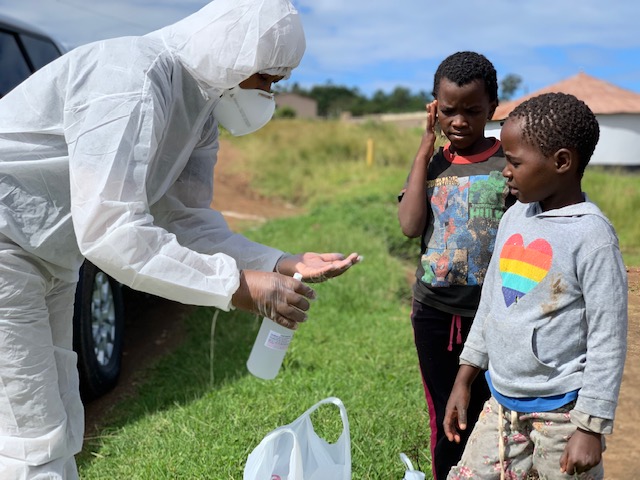
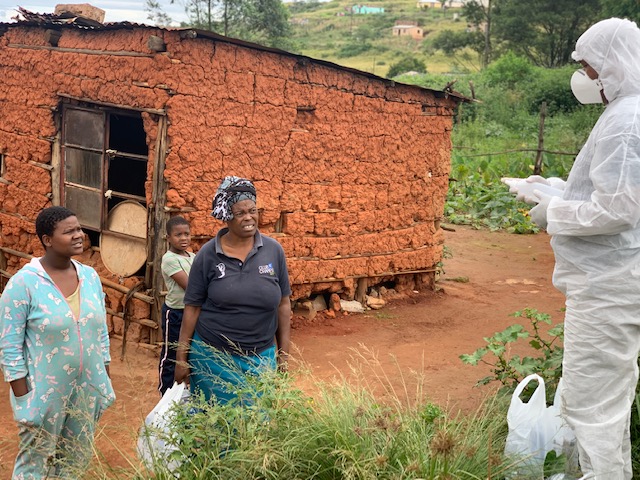
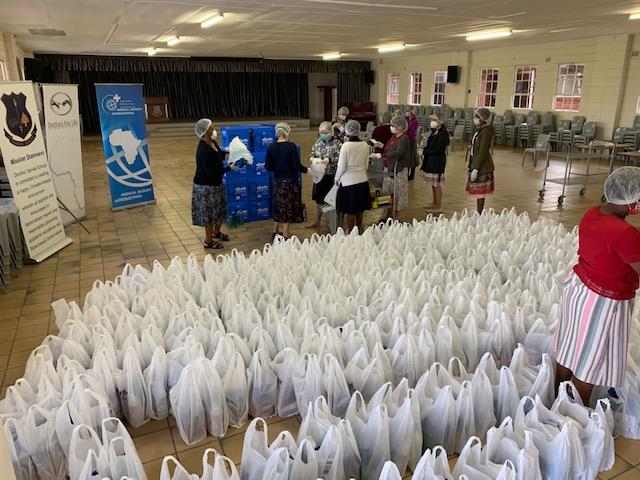
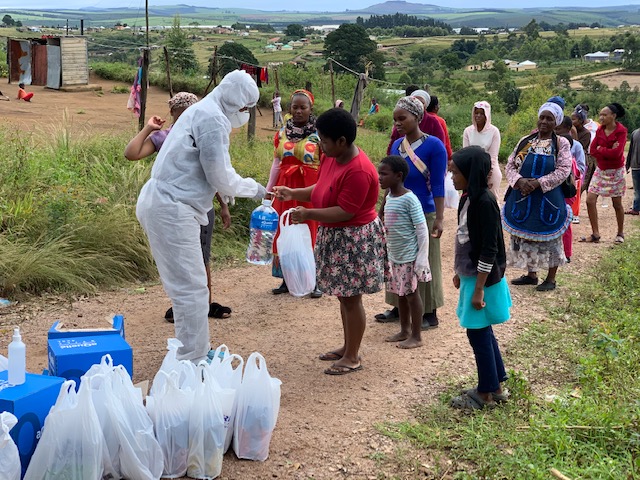
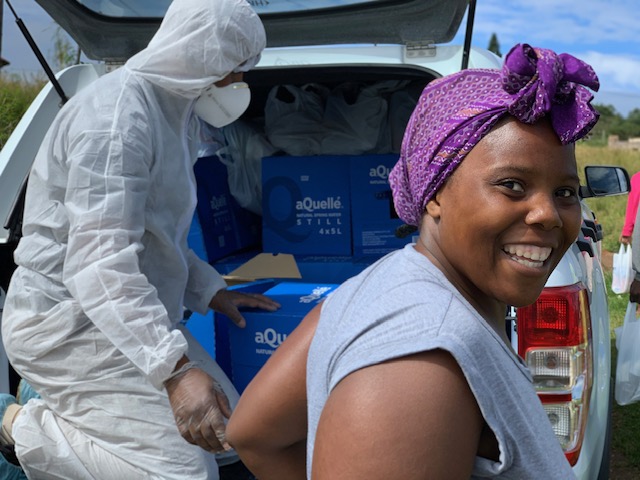
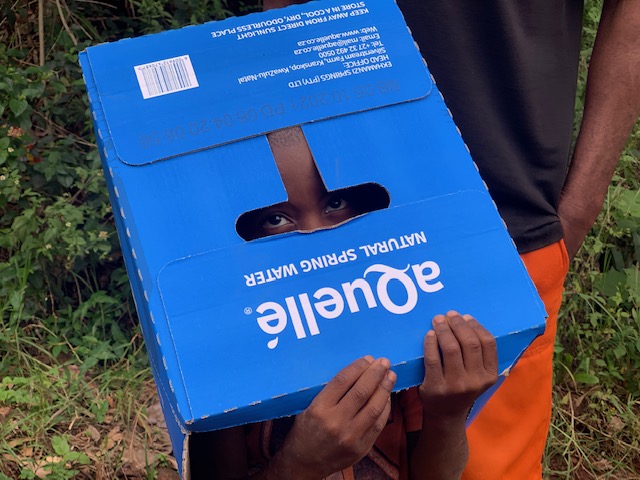
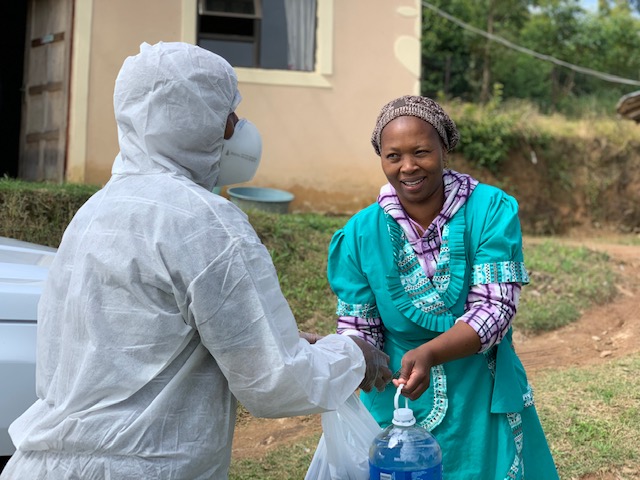
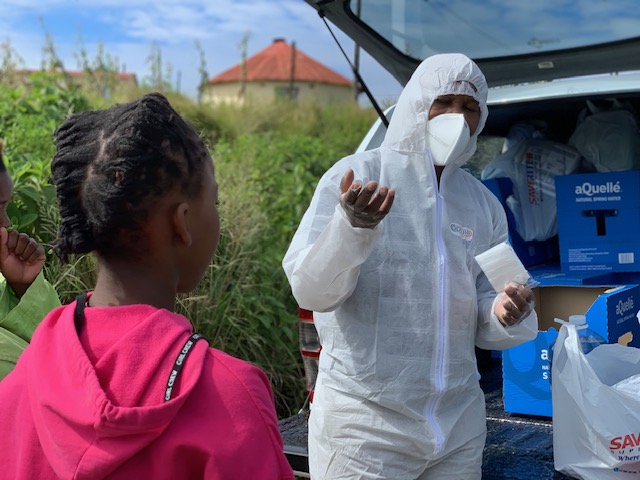
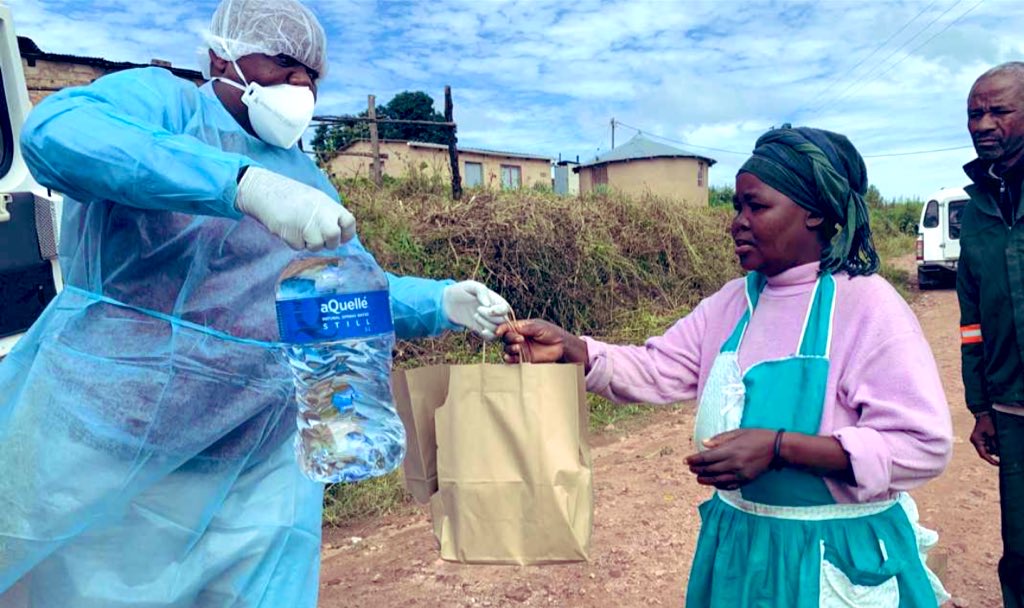
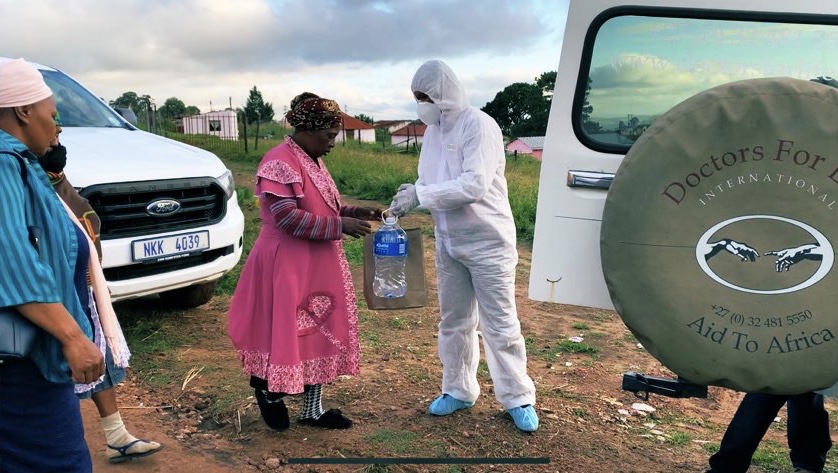
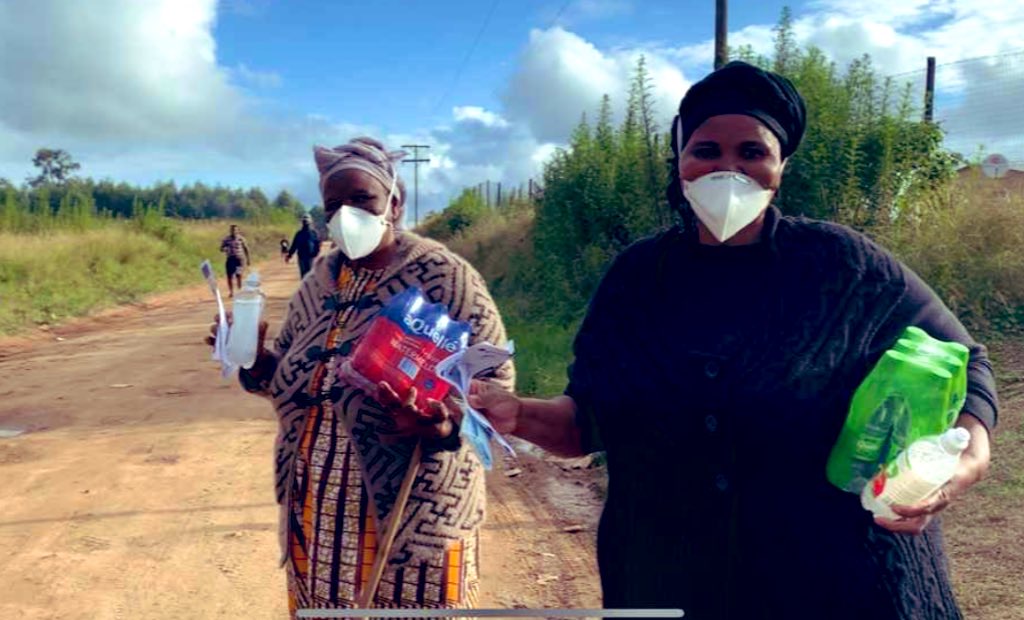
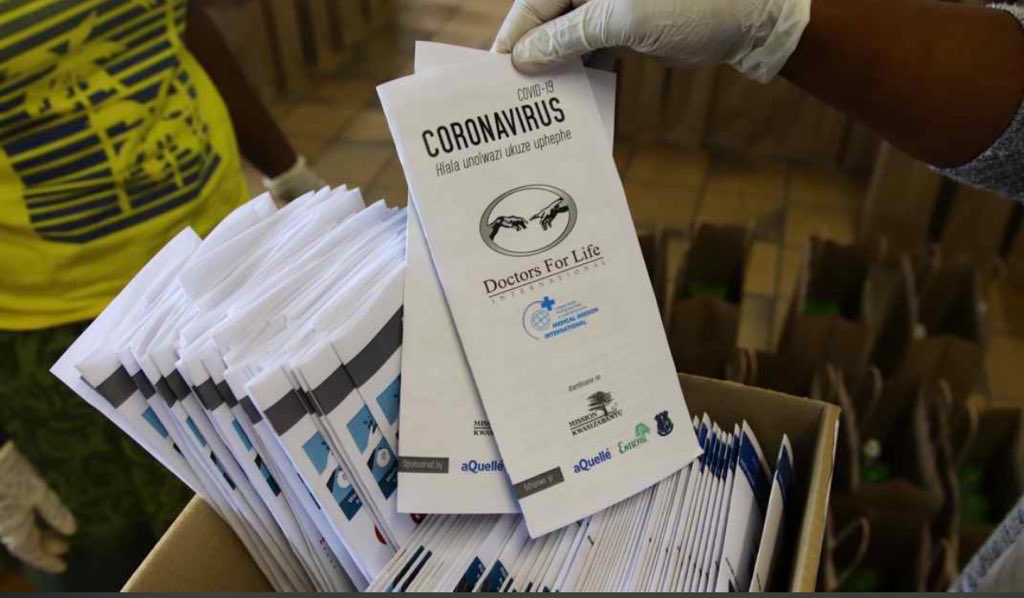
Doctors For Life International (DFL) has been actively assisting the needy communities in South Africa during the Lock-down period. To date DFL have hand delivered essential parcels to about 1000 households in rural KwaZulu-Natal. These parcels contain 5 litre bottles of aQuelle spring water,  packs of 500ml aQuelle flavoured water, hand sanitisers and masks. It also includes COVID-19 info brochures translated to Zulu. The parcels are distributed by DFL volunteers and much time is taken in educating the families and children on hygiene and Coronavirus information. 

“It is a wonderful opportunity to show compassion to those struggling during this trying time.” said Johan Claassen, the program director for medical operations at DFL.  “The people are so thankful where-ever we go” he said.

DFL would like to thank aQuelle, Emseni farming, Medical Mission International (MMI) and DSS for their assistance and donations to help make these outreaches happen.

COVID-19 awareness

Parcels prepared to go out to the rural community

Handing out parcels to community

DFL RECOMMENDS THAT ALL SOUTH AFRICANS WEAR MASKS IN PUBLIC

Doctors For Life International highly recommends that ALL South Africans now wear face masks in public. The Centers For Disease Control and Prevention as well as the U.S. Government is officially recommending this.

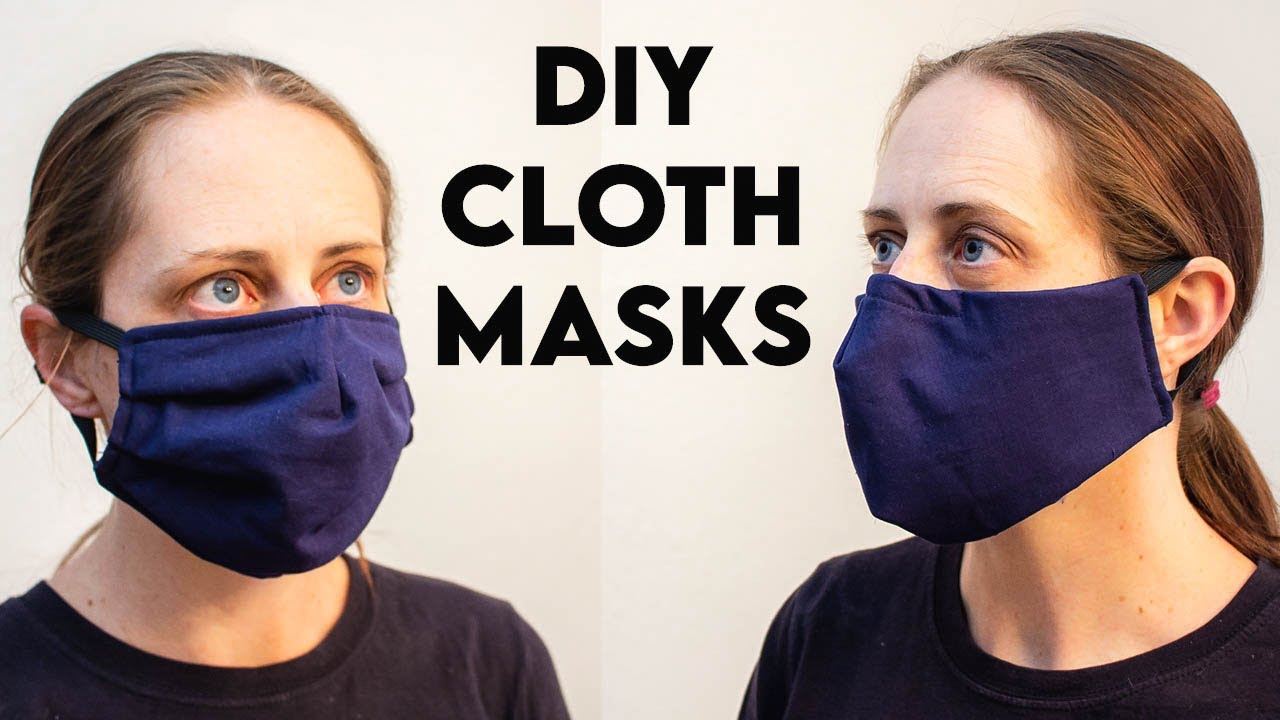
We suggest that the public begin making their own cloth face masks to avoid draining health professional supplies in hospitals etc.

You can wash them daily with boiled water and a disinfectant such as JIK.

Need some help making a mask?

Visit this website to get some tips: CDC

DOCTORS FOR LIFE RESPONDS TO KZN RURAL COMMUNITY NEEDS

Doctors For Life International responds to the needs of KZN rural communities during #SALockdown by donating aQuelle water, information on COVID-19, hand sanitizer and face masks. We thank our donors, partners and the volunteers who join us on this project!

If you’d like to get involved, you can donate essentials which we will take to the community.

DFL LAUNCHES COVID-19 WHATSAPP HELPLINE

Doctors For Life International has launched a WhatsApp Helpline for all South Africans seeking more information on the COVID-19. Calls to this number are also welcome.

COVID-19 Helpline at (+27) 72 149 7819

Pro-abortion Professor changes his mind about fetal pain

The following discussion on fetal pain does not attempt to suggest having an abortion procedure should depend upon whether or not an unborn baby can feel pain or not. Especially since there are thousands of Biology and embryology textbooks, modern DNA studies, Medical Dictionaries, Science professors and medical researchers that all confirm that life begins at fertilization. This is a scientific certainty that alone should discourage abortion. Furthermore, it is also well documented how women suffer emotionally, psychologically and in the long term physically due to choosing an abortion. This discussion of fetal pain is to share new insight on previous thought standards that are now changing because of new research on the cortex. 

British psychology professor Stuart Derbyshire and John C. Bockmann, a physician’s assistant in the U.S. Army, published a paper in the Journal of Medical Ethics titled “Reconsidering fetal pain.” They conclude that according to several published papers on the necessity of the cortex for pain experience may have been exaggerated, for example, one study demonstrated continued pain experience in a patient with extensive damage to cortical regions generally believed to be necessary for pain experience. A further study has demonstrated activation of areas generally thought to generate pain in subjects congenitally insensitive to pain but receiving noxious stimuli. Those two studies appear to neatly dissociate pain experience from the cortex. In conclusion unborn babies can feel pain at 18 to 20 weeks, and possibly as early as 12 or 13 weeks. 

The Science Behind Preborn Pain

Ingrid Skop, MD Obstetrician from the USA, has seen unborn babies in the womb at 16 weeks gestation, withdraw their limbs when they accidentally encounter the amnio needle as she performs the Amniocentesis procedure (a process in which amniotic fluid is sampled using a hollow needle inserted into the uterus, to screen for abnormalities in the developing fetus.)

When the unborn baby feels pain, the following can be measured in response to pain: 

  • Elevated stress hormones in their blood, 
  • heart rate increases, 
  • & blood pressure increases.

COVID-19 & another population vulnerable to infection:

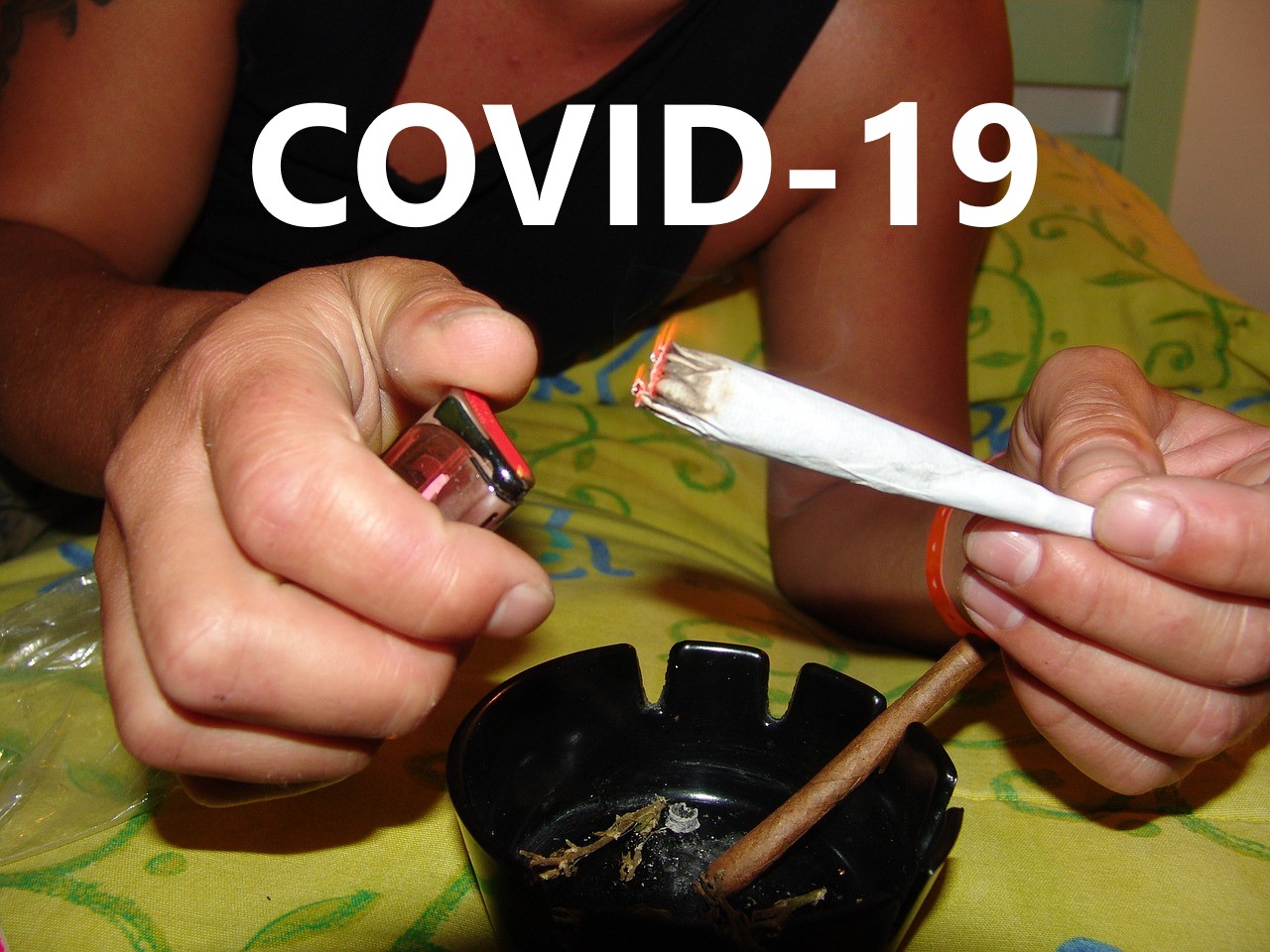
According to reports by The National Institutes on Health and National Institute on Drug Abuse (NIDA), the populations most vulnerable to the coronavirus are individuals who smoke or vape marijuana, or have a history of smoking or vaping marijuana.

NIDA reports that “Because it attacks the lungs, the coronavirus that causes COVID-19 could be an especially serious threat to those who smoke tobacco or marijuana or who vape:”

  • A report published by the Journal of the American Medical Association reviewed data from China and found that the case fatality rate for COVID-19 was 6.3 percent for people with chronic respiratory disease, compared with 2.3 percent overall (National Institute on Drug Abuse, 2020).
  • NIDA also reports that vaping can harm lung health just as smoking can, and as such, people who vape can be exposed to increased risk from COVID-19.
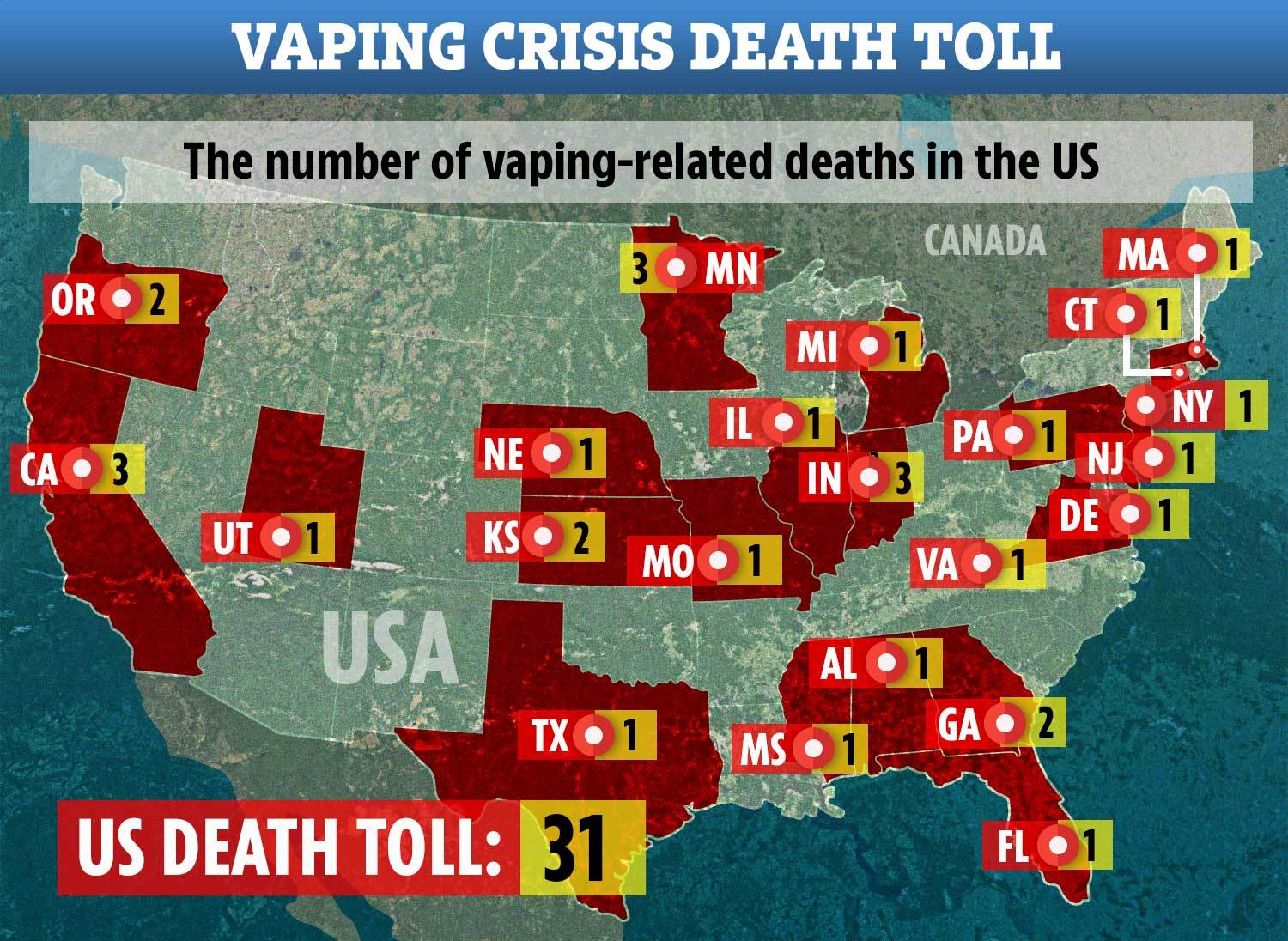
  • In 2019, the country experienced a vaping crisis in which as many as 2,739 people were hospitalized and 68 people died (Centers for Disease Control and Prevention, 2020). The more than 2,700 people who were hospitalized and suffer from residual complications associated with vaping-related lung illness are at an increased risk of severe COVID-19.

NIDA concludes: “We can make educated guesses based on past experience that people with compromised health due to smoking or vaping and people with opioid, methamphetamine, cannabis, and other substance use disorders could find themselves at increased risk of COVID-19 and its more serious complications-for multiple physiological and social/environmental reasons. The research community should thus be alert to associations between COVID-19 case severity/mortality and substance use, smoking or vaping history, and smoking- or vaping-related lung disease.”

https://www.drugabuse.gov/about-nida/noras-blog/2020/03/covid-19-potential-implications-individuals-substance-use-disorders

https://learnaboutsam.org/covid-19-and-marijuana-what-you-need-to-know/

Legalized marijuana threatens public health and safety impact report reveals

Reviewed by researchers from: University of Colorado at Denver, Harvard Medical School, Boston Children’s Hospital, University of Connecticut, Yale University University of Kansas, and more.

EXECUTIVE HIGHLIGHTS

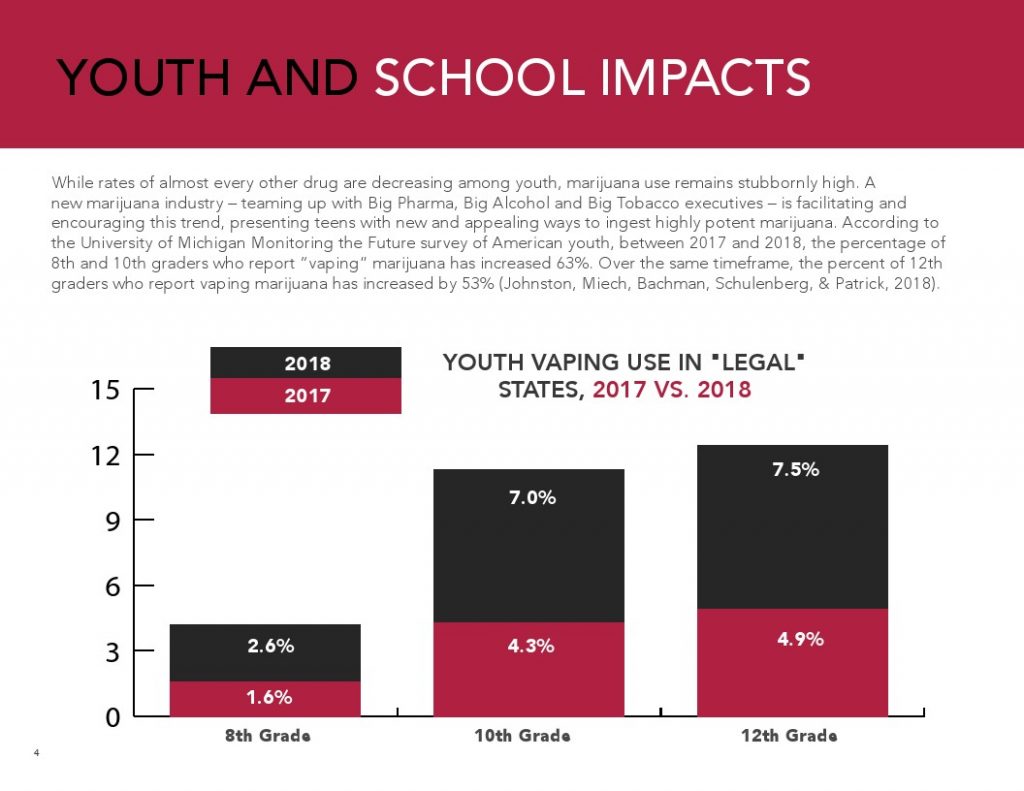
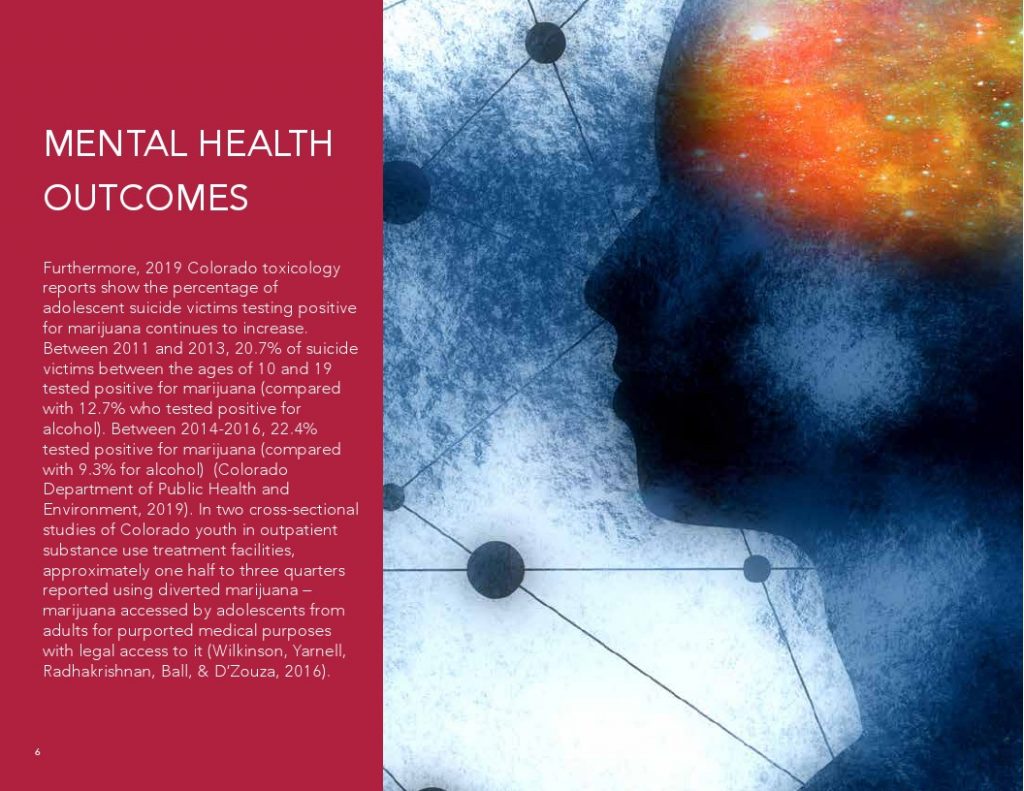
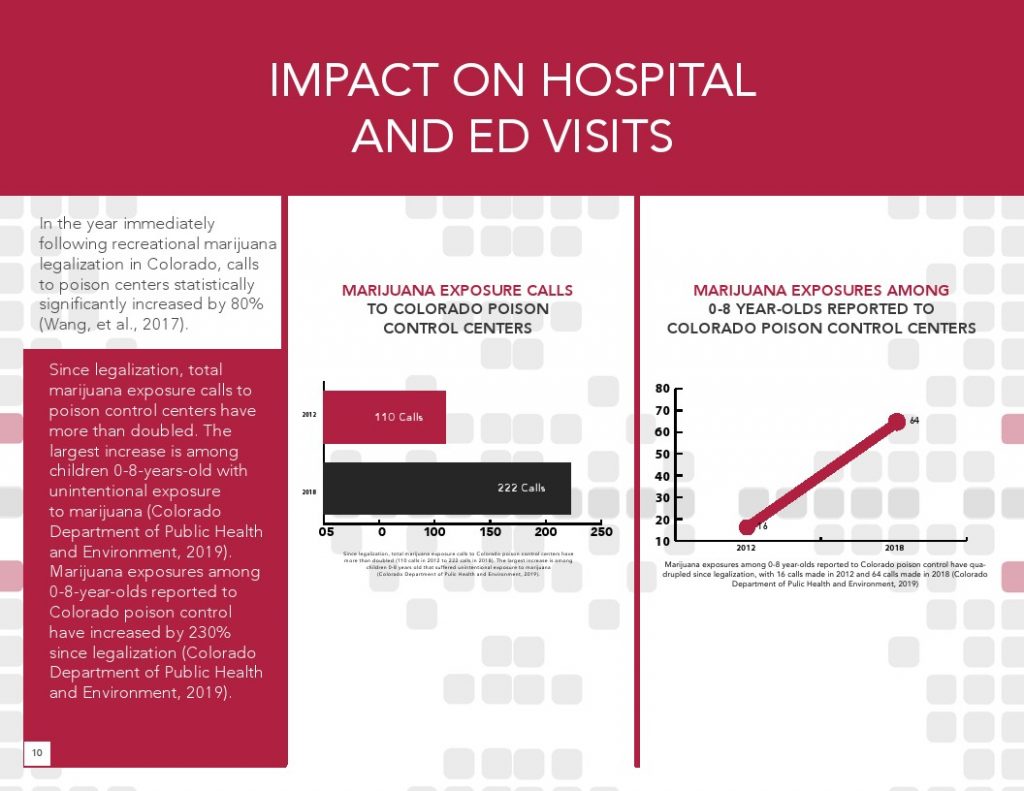
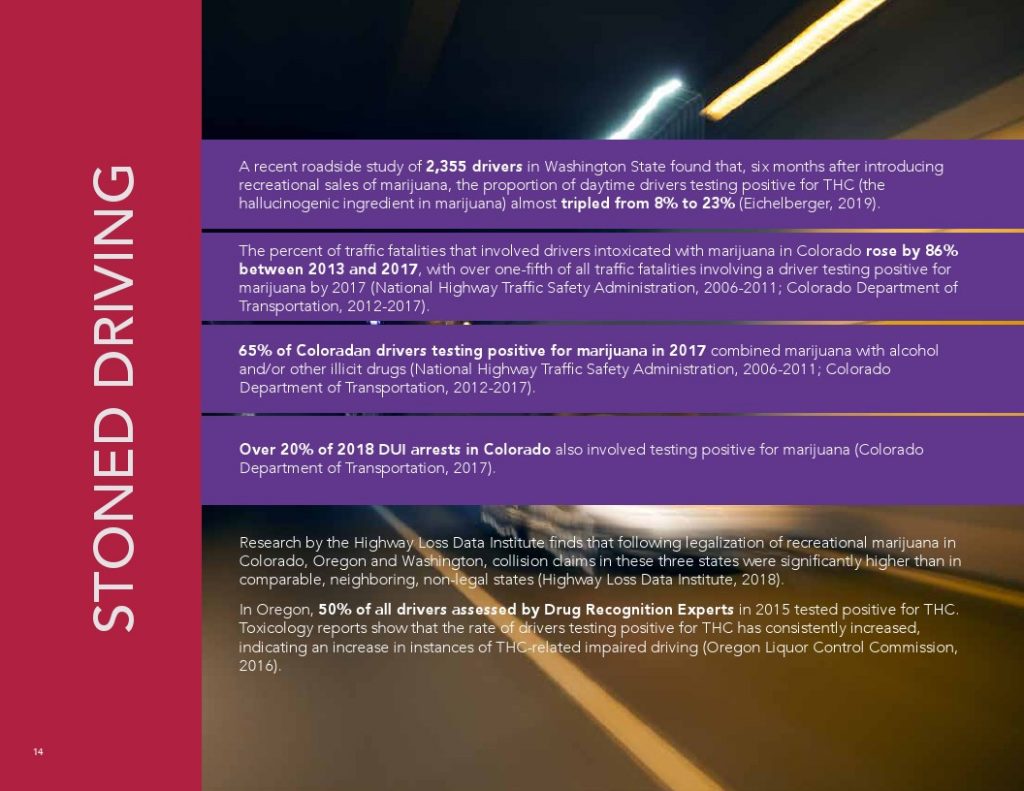
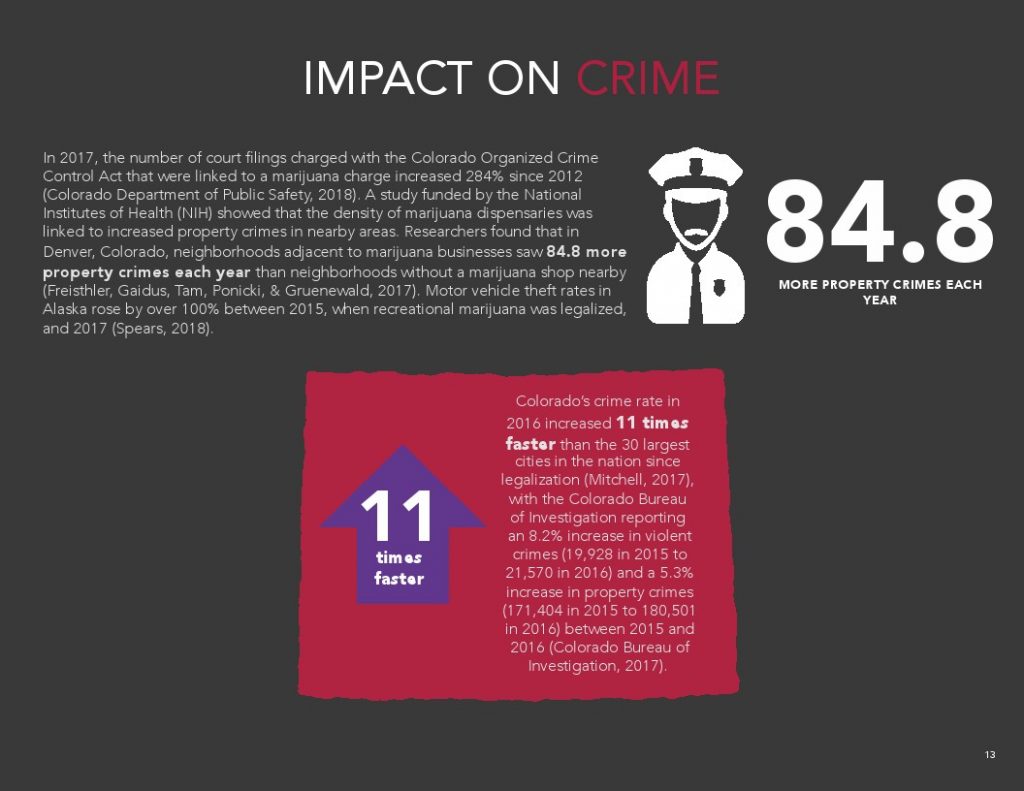
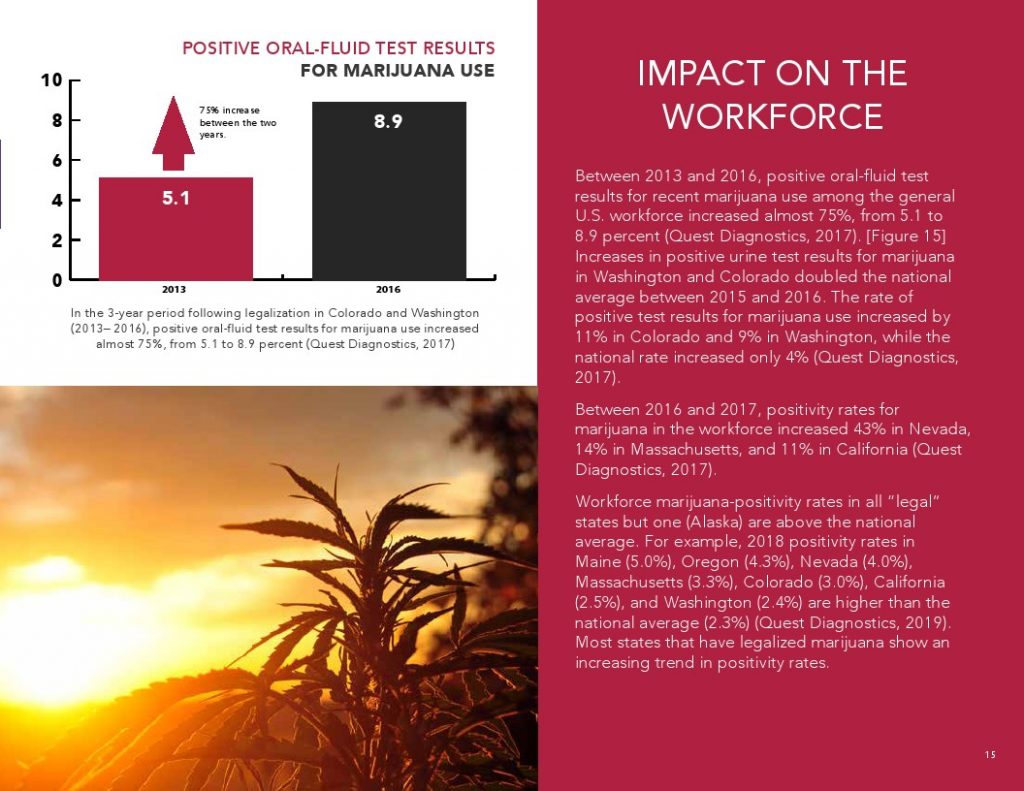
Today’s highly potent marijuana represents a growing and significant threat to public health and safety, a threat that is amplified by a new marijuana industry intent on profiting from heavy use. State laws allowing marijuana sales and consumption have permitted the marijuana industry to flourish, and in turn, the marijuana industry has influenced both policies and policy-makers. While the consequences of these policies will not be known for decades, early indicators are troubling. This report, reviewed by prominent scientists and researchers, serves as an evidence-based guide to what we currently observe in various states. We attempted to highlight studies from all the “legal” marijuana states (i.e., states that have legalized the non-medical use of marijuana). Unfortunately, data does not exist for several “legal” states, and so this document synthesizes the latest research on marijuana impacts in states where information is available.

Full Impact Report link HERE

UK – landmark court case could change the way childhood gender dysphoria is treated

A woman who received treatment for Gender Dysphoria (GD) as a teenager says the puberty-delaying drugs and testosterone prescribed to her has caused irreversible damage to her physical and mental health. Keira Bell is now taking Tavistock (gender affirmation clinic) to court. Keira says her transition turned out to be nothing more than a “coping mechanism” and that there was no real investigation into the other mental health issues she was going through. Keira adds that the transition left her feeling more depressed and suicidal and solved nothing.

Sky News research suggested that 35 psychologists have resigned from the children’s gender-identity service in three years. Six of them have now raised concerns about hormone treatment being given to children with GD. The London clinic sees children under 18, including some cases who are as young as three. Around half of children are put on drugs to pause their puberty, known as hormone blockers.

Ms Bell said she found her experience at the Tavistock Centre so distressing that she has since decided to de-transition. “It’s very difficult because you have to live with the physical changes you’ve experienced, especially when it comes to things like surgery,” she said.

“The whole process is really traumatic looking back on it, there’s no going back from it really because you are changed forever visibly.”

Ms Bell’s legal team will argue the centre’s approach was unlawful because children could not give informed consent for this kind of treatment and the potential risks of treatment were not adequately explained.

Scrutiny of the transgender “affirmative” treatment model is intensifying, and inquiries or reviews are underway in Australia, the UK, Sweden, Brazil and Germany. According to a new watchdog body called, the Society for Evidence-Based Gender Medicine (SEGM), many mainstream doctors are unaware that children’s hospital gender clinics carry out invasive medical treatments based on low-quality evidence. US physician William Malone, the spokesman for SEGM explained that the best treatment for such children should be found through scientific study, investigation and open debate. There has been an exponential rise in troubled teenagers seeking to transition. Many reportedly come to gender clinics with pre-existing mental health problems, autism, suppressed same-sex attraction, a history of child sex abuse or family trauma, and there is debate about whether they are getting the right treatment.

Hundreds of young transgender people are regretting their decision to change their sex as they are now seeking help to return to their original sex, a woman who is setting up a charity has told Sky News. Charlie Evans, 28, was born female but identified as male for nearly 10 years before detransitioning.

Sky reports that the number of young people seeking gender transition is at an all-time high but very little is heard about those who may come to regret their decision.

Dr. Michelle Cretella, president of the American College of Pediatricians has said that Other studies have found that while there is a “honeymoon period” of “reported relief and happiness” following sex reassignment treatment, it does not last. “Ten years beyond transition, however, rates of additional mental illness begin to rise precipitously, to the point that thirty years following surgical transition (mutilation), the suicide rate is 19 times greater than that of the general population.”

Landmark case against Tavistock HERE

Gender clinics operate with weak evidence HERE

Sex-change regret HERE

The Global Campaign Against Pornhub Explained

The link between pornography and Human Trafficking…

One of the most popular pornographic websites in the world called Pornhub is at the focus of the #Traffickinghub campaign which began getting and widespread awareness in early 2020. The #Traffickinghub campaign is being spearheaded by Laila Mickelwait, Director of Abolition at Exodus Cry, a long-standing and diverse movement against sexual exploitation.

Pornhub is a willing and profiting host to a wide-range of degrading material that includes (but is not limited to) racism, incest, and violence against women. In some cases, Pornhub has brazenly ignored requests to have abusive content removed for months and openly defended incestuous rape-themed content and profited off of the violent torture of women. Worse yet, evidence continues to emerge that Pornhub’s careless, profit-hungry business model has led to child sexual abuse material and content featuring the rape of trafficking victims flourishing on its site.

Earlier this year, the BBC shared the harrowing story of a rape survivor and Pornhub’s repeated refusal to remove content featuring adult men violently raping her when she was just 14-year-old.

Another time, Pornhub refused to remove material by a pornography company, GirlsDoPorn, that was a featured partner on its website even as GirlsDoPorn was facing charges of fraud, coercion, and sex trafficking in court.

It is abundantly clear that there is ample objective, nonreligious, and nonpartisan evidence that shows Pornhub is complicit with the exploitation on its site. Not only that, in many cases Pornhub has actively refused to take action against illegal content when directly confronted by it.

Article link HERE